Remote & Virtual Mediation
Remote & Virtual Mediation
While nothing will ever take the place of in-person mediation, the need for creativity in effectively and efficiently resolving disputes and all types of lawsuits has never been more prevalent than now, amid the COVID19 outbreak.
The good news is two-fold. First, remote and virtual mediation is nothing new. Both telephonic and video conference mediation has been around since technology met the practice. In fact, many cases are ideally suited for these venues for a common reason: the parties are permanently geographically disconnected from one another. Cases like Intellectual Property disputes, Military Divorce and post-Divorce issues have and will continue to need remote and virtual mediation as their primary venue choice. Second, because technology advances so quickly, we are better able to replicate in-person mediation as time goes by.
Remote and virtual mediation - like any other function that is dependent on technology - has its challenges: security of the platform, the parties and attorneys familiarity and comfort with these platforms, and the mediator's capability to effectively move mediation forward in a productive and efficient manner in the virtual environment. Like many mediators, I have used various video conference platforms for mediation with decent to limited success. Many platforms serve their designed purposes well, but every video conference experience is still at the mercy of each participant's computer/device, their individual Internet connection, and any software that is involved.
To address concerns of security and reliability, I use Mediation Suites exclusively for remote/virtual mediation for very simple, and straight-forward reasons:
- Mediation Suites is a browser-based platform, which means there are no software downloads, limitations or updates, ever;
- It has peer-to-peer encryption which earns it top level HIPAA compliance for privacy and security;
- It works on all operating systems (Windows, Mac, Linux, Apple, Android);
- It is supported by the top browsers (Chrome, Firefox, Safari, Edge, Opera);
- It is extremely intuitive to use, even for the most novice of participants; and
- It has all the bells and whistles of the other platforms.
Remote/virtual mediation is a proven method for providing Access to Justice directly to the parties/litigants where they live and work in all types of disputes and lawsuits. Remote/virtual mediation saves the parties more time, more money, and more emotional distress by mediating their cases sooner, by eliminating the need for driving to an attorney's office, looking and paying for parking, taking time off work (that they may or may not have to spare), and paying for additional childcare. Remote/virtual mediation isn't a thing of the future... it's here, it's improving people's lives, and it's here to stay.

Fees for Mediation
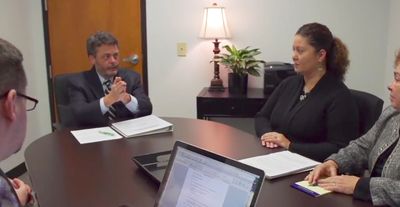
Fees for Mediation are set by agreement.
For most mediations, my rate is $225 per hour, divided among the parties (in injury cases the injured party and their spouse count as one party).
There is no charge for travel time to the following Tennessee Counties: Davidson, Williamson, Rutherford, Wilson, Sumner, Robertson, Cheatham, or Dickson. Otherwise, travel fee is charged at a rate of $50 per County driven through/to each way. For travel requiring air travel, the fee is equal to the actual total cost incurred by me for air fare, car rental, parking and my fee rate for time spent traveling in-air and to/from airports. Lodging fee is equal to the actual total cost incurred by me.
A two hour cancellation fee will be charged for mediations cancelled less than 10 days before the date of the scheduled conference.
Expenses such as conference room rental and courier (FedEx, UPS, etc.) charges are billed at actual cost.

Clay Phillips Mediation & Training, LLC
is a Verified Service Disabled Veteran Owned Small Business.